Goldenrod: Identification, Benefits, Medicinal Uses & How to Grow It
If you’ve ever driven past a glowing yellow field in late summer or early fall, chances are you were looking at goldenrod. Did you know that this vibrant wildflower is often misunderstood, frequently blamed for allergies, and sometimes labeled invasive? Yet goldenrod has a long history of herbal use, pollinator support, and homestead value.
In this comprehensive guide, we’ll cover everything you need to know about the goldenrod plant, including goldenrod identification, goldenrod vs ragweed, Canada goldenrod, medicinal uses, dried goldenrod, and how to prepare goldenrod for tea and tinctures.
What Is Goldenrod?
Goldenrod is a flowering perennial plant in the aster family (Asteraceae), belonging to the genus Solidago. Its crazy to me that there are over 100 recognized goldenrod species, most native to North America!
What’s Another Name for Goldenrod?
This Plant is sometimes called:
- Woundwort
- Aaron’s rod
- Solidago (its botanical name)
The name Solidago comes from the Latin word meaning “to make whole,” reflecting its traditional medicinal use.
Plant Identification
Lets go over correct goldenrod identification. Its important, especially since it’s often confused with ragweed.
What Does Goldenrod Look Like?
Before it blooms, goldenrod appears as:
- Tall green stems (1–5 feet depending on species)
- Lance-shaped green leaves
- Clumping growth pattern
When in bloom:
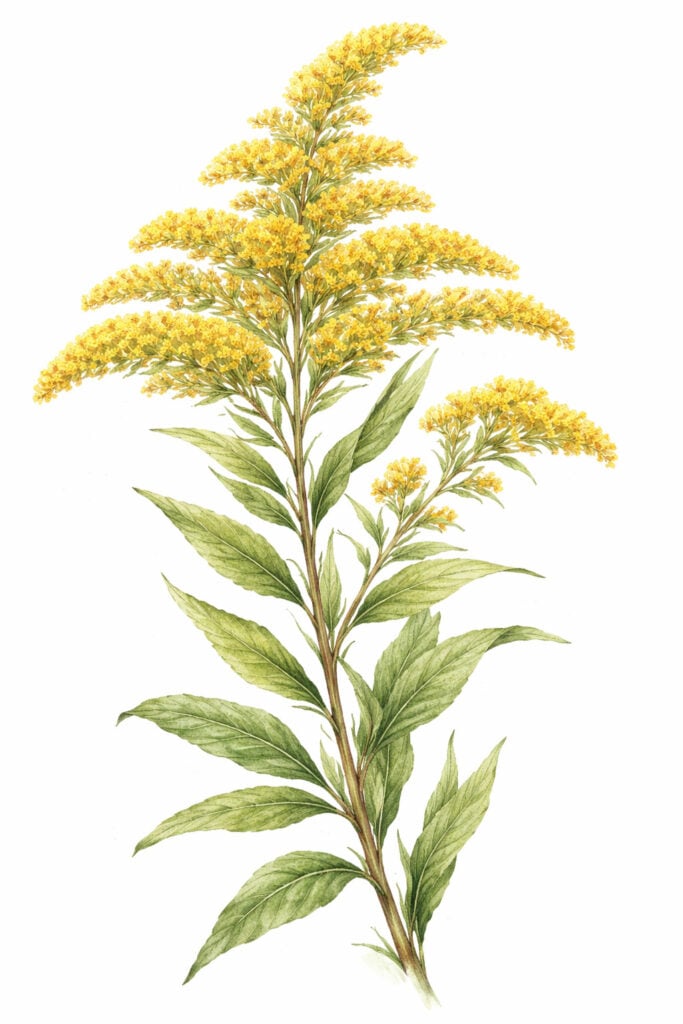
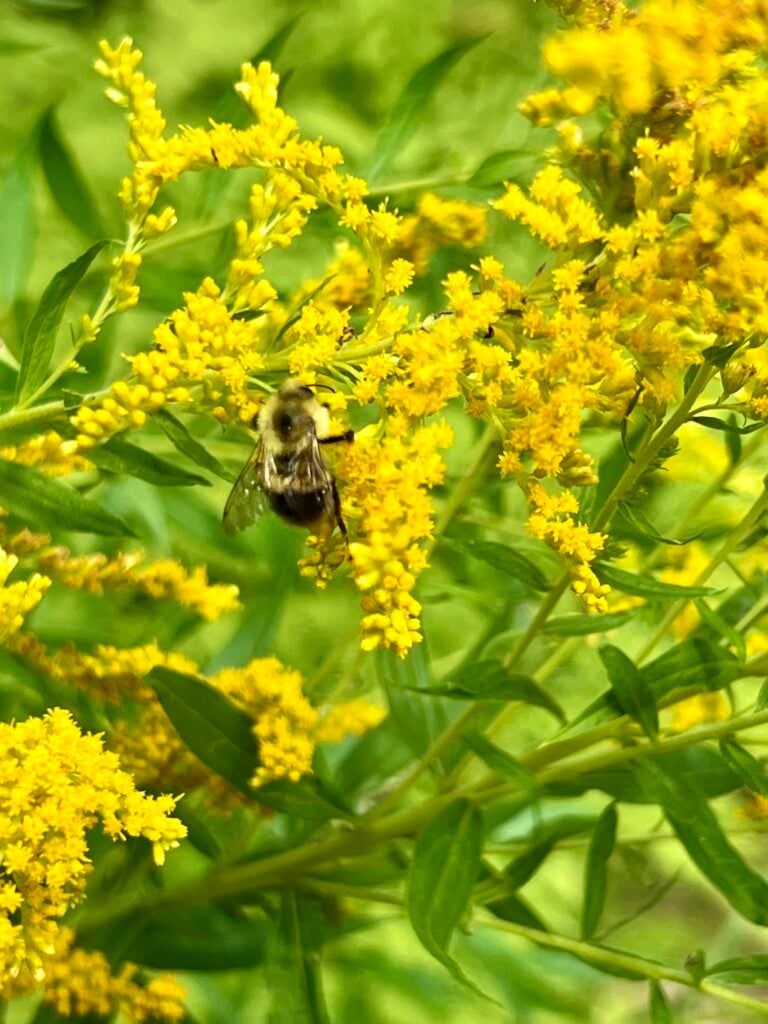
- Bright golden-yellow flower clusters
- Tiny composite flowers arranged in plume-like sprays
- Blooms from late summer to early fall
Leaves
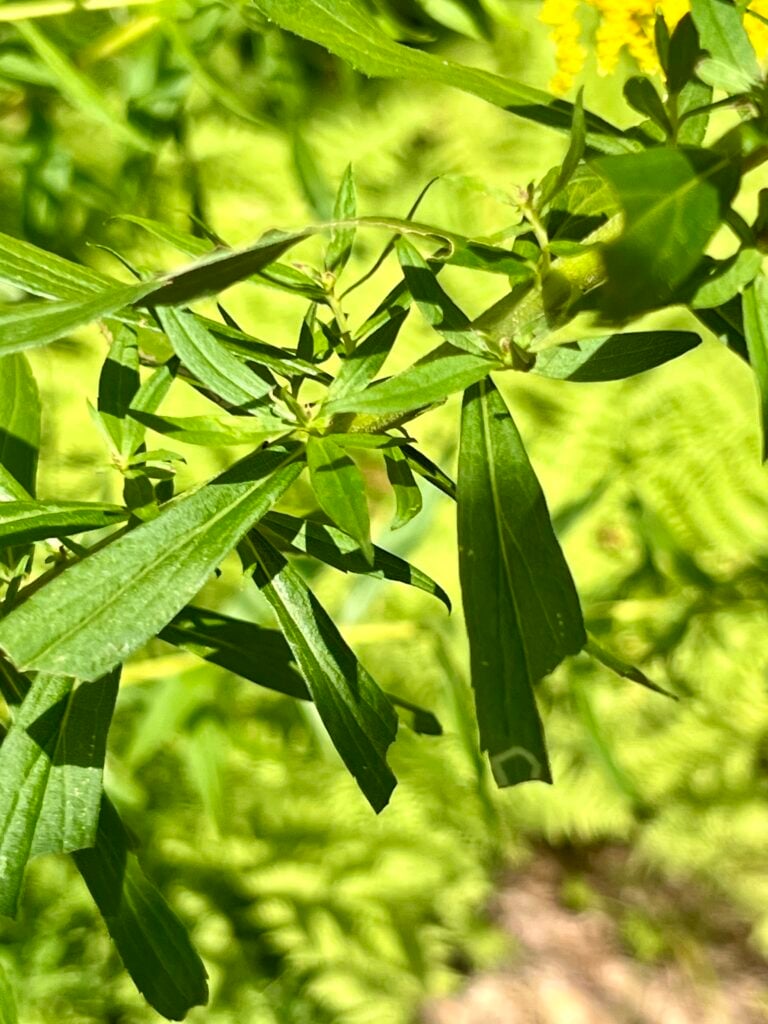
- Alternate leaf pattern
- Narrow and lance-shaped
- Smooth or slightly serrated edges
- May have fine hairs on some species
Is Goldenrod the Same as Ragweed?
One of the most common questions:
No. Goldenrod is not ragweed.
Ragweed belongs to the genus Ambrosia, and it produces lightweight pollen that travels easily in the wind — causing seasonal allergies.
Goldenrod, on the other hand:
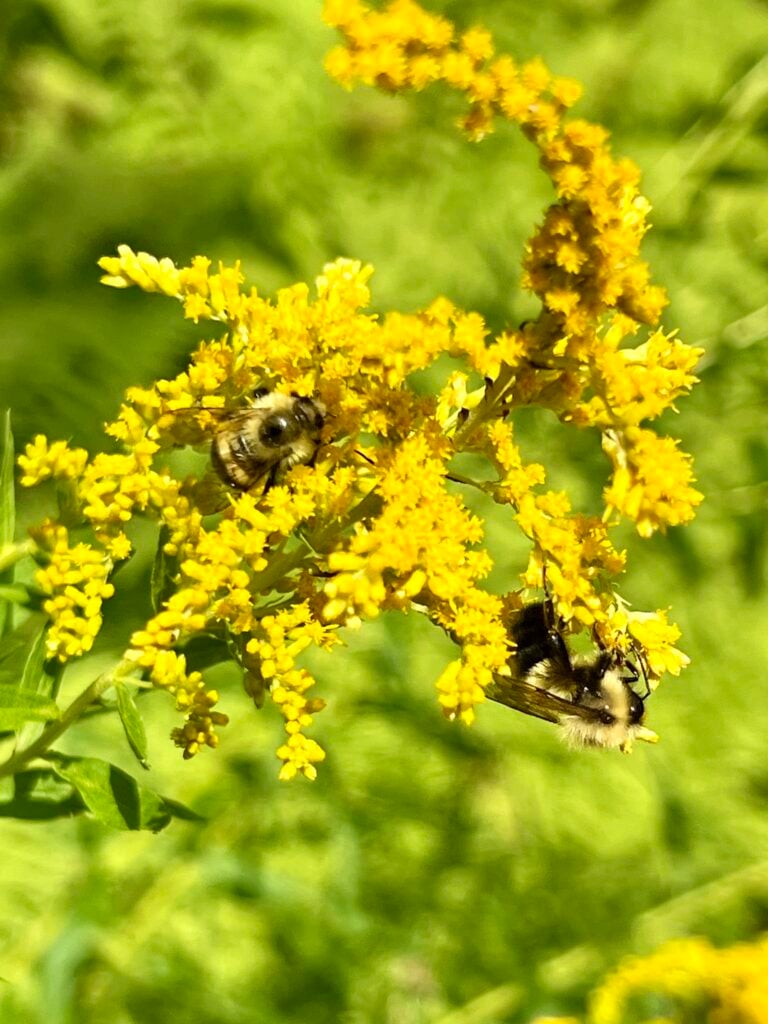
- Has heavy, sticky pollen
- Relies on insects for pollination
- Is rarely the cause of hay fever
So What Can Be Mistaken for Goldenrod?
- Ragweed
- Yellow asters
- Certain wild mustards
Goldenrod has showy yellow flower plumes, while ragweed has greenish, inconspicuous flowers.
Are There Any Poisonous Look-Alikes?
Goldenrod itself is not poisonous. There are no highly toxic plants that closely resemble it. However, proper identification is always important before harvesting wild plants.
If unsure:
- Examine leaf pattern
- Check flower structure
- Confirm growth habit
- Compare multiple field guide references
Different Species
There are more than 100 species, but some of the most common include:
- Solidago canadensis (Canada Goldenrod)
- Solidago gigantea (Tall Goldenrod)
- Solidago virgaurea (European Goldenrod)
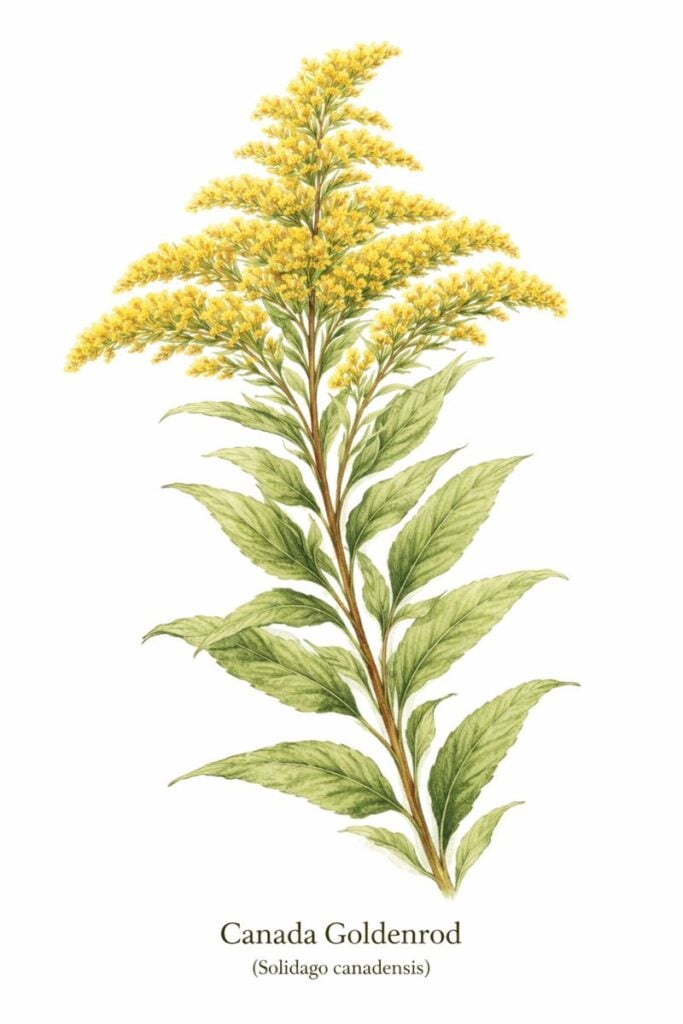
Canada Goldenrod (Solidago canadensis)
What Is Canada Goldenrod?
Solidago canadensis is one of the most widespread species in North America. It is native to much of the United States and Canada.
Identification
- Height: 2–6 feet
- Dense golden plumes
- Hairy stems
- Toothed leaves
- Spreads via rhizomes
Native Range
Originally native to:
- Most of Canada
- Much of the United States
It has also spread aggressively in parts of Europe and Asia.
Is is Invasive?
In its native range, it’s a beneficial native plant. However, it can spread aggressively through underground rhizomes and seeds.
Outside North America, it is considered invasive.
Should I Remove it?
Remove it if:
- It’s overtaking garden beds
- You want controlled landscaping
Keep it if:
- You support pollinators
- You want wildlife habitat
- You’re using it medicinally
Why Do Farmers Plant it?
Farmers plant goldenrod for several reasons:
- Supports pollinators like bees and butterflies
- Improves biodiversity
- Stabilizes soil
- Provides late-season nectar
Is this Plant Edible for Humans?
Yes, parts of the plant are edible.
- Young leaves (in moderation)
- Flowers for tea
- Tender shoots in spring
Goldenrod Medicinal Properties & How Each Part Is Used
Goldenrod has a long history in traditional herbal medicine and was widely used by Native American tribes and early American herbalists. The genus Solidago contains species rich in beneficial plant compounds including flavonoids, saponins, tannins, and volatile oils — all of which contribute to its medicinal actions.
Goldenrod is most commonly known for supporting the urinary system, easing inflammation, and promoting wound healing.
Let’s break down the medicinal properties by plant part.
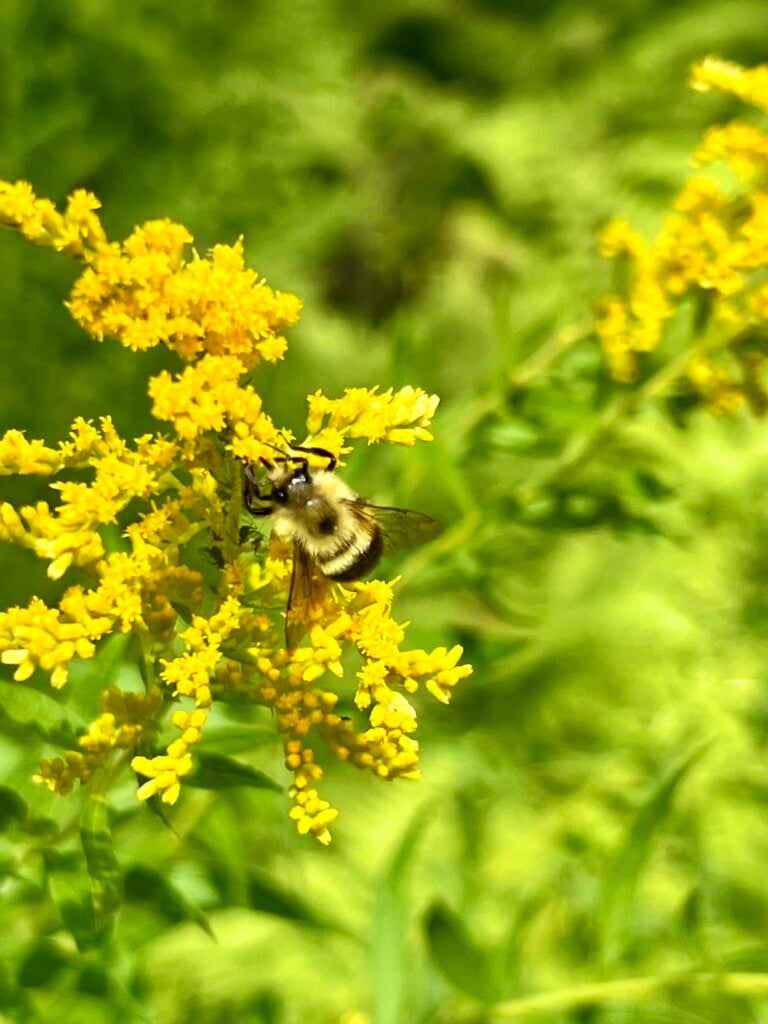
Goldenrod Flowers (Flowering Tops)
The flowering tops are the most commonly harvested part for goldenrod tea benefits and tinctures.
Medicinal Properties:
- Anti-inflammatory
- Mild antimicrobial
- Astringent
- Diuretic
- Antioxidant
What They’re Used For:
- Urinary tract support
- Kidney and bladder health
- Flushing excess fluids
- Seasonal sinus support
- Arthritis discomfort
- Immune support
Goldenrod is sometimes referred to as a “natural antibiotic,” but more accurately, it contains mild antimicrobial compounds that help the body resist minor infections. It is not a replacement for prescription antibiotics but has traditionally been used to support the immune system during mild urinary or respiratory concerns.
The flowers are most commonly prepared as:
- Herbal tea
- Alcohol tincture
- Glycerite
- Infused honey
Goldenrod Leaves
Are the leaves of goldenrod medicinal? Yes, the leaves are absolutely medicinal and are often used alongside the flowers.
Medicinal Properties:
- Anti-inflammatory
- Astringent
- Wound-healing
- Mild antiseptic
What the Leaves Are Used For:
- Poultices for minor cuts and scrapes
- Herbal washes for irritated skin
- Support for sore throats (as tea or gargle)
- Mild digestive support
Fresh crushed leaves were traditionally applied directly to wounds to help reduce inflammation and promote healing. The astringent properties help tighten tissues and reduce minor bleeding.
When dried, the leaves can be blended with the flowers to make a full-spectrum goldenrod tea.
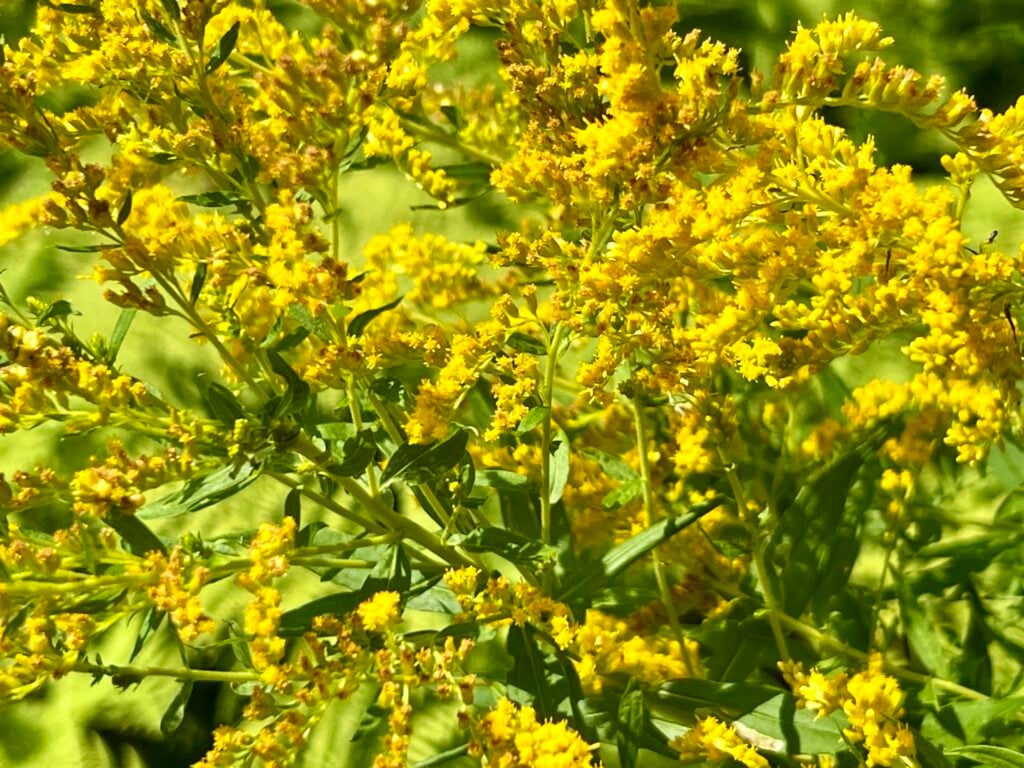
Goldenrod Stems
The stems are typically included when harvesting the “aerial parts” (the above-ground portion of the plant). While not as potent as the flowers, the stems contain supportive compounds and are commonly dried along with leaves and blossoms.
They are generally:
- Used in tea blends
- Included in tincture preparations
- Added to infused oils
Goldenrod Roots
While less commonly used today, some traditional herbal practices included goldenrod root preparations.
Historically Used For:
- Mild digestive support
- Topical wound preparations
However, most modern herbalists focus on the aerial parts (flowers and leaves) for medicinal use.
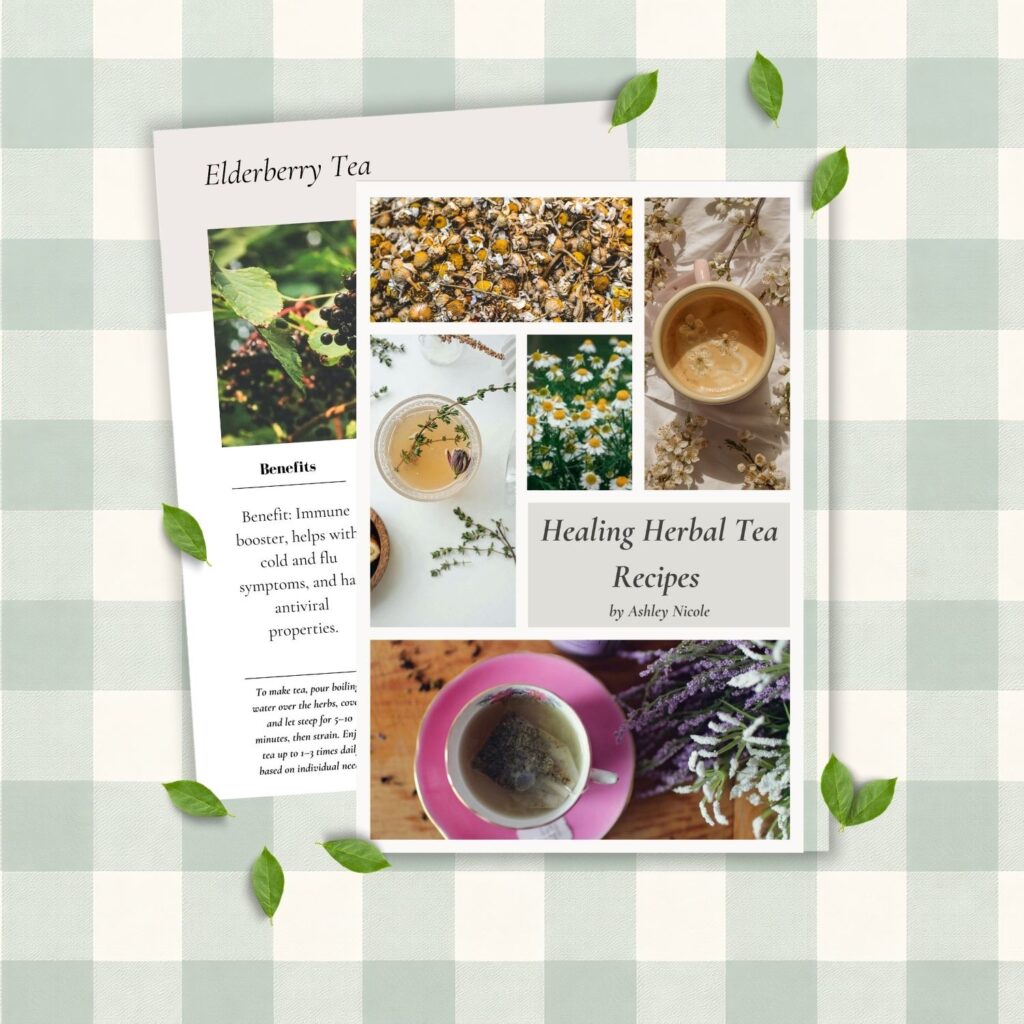
Introducing my new E-Book
Healing Herbal Tea Recipes
This Herbal Tea Recipe eBook is a practical guide to making simple, effective herbal teas using time-tested plants and straightforward methods. Inside, you’ll find clear explanations of common herbs, their traditional uses, and easy-to-follow tea recipes you can make at home. Whether you’re looking to support immune health, digestion, or overall wellness, this collection is designed to help you confidently use herbal teas as part of everyday life—without complicated instructions or hard-to-find ingredients.
Goldenrod Tea Benefits
Tea is the most popular way to use this plant medicinally.
Benefits Include:
- Supports urinary tract health
- Helps flush excess fluids (natural diuretic)
- May ease joint inflammation
- Supports kidney function
- Promotes sinus drainage during seasonal discomfort
- Provides antioxidants
Because goldenrod promotes urination, it’s often used to help the body eliminate excess fluid. This traditional use supports mild urinary tract discomfort and kidney function.
Is Goldenrod a Natural Antibiotic?
Goldenrod contains plant compounds with mild antimicrobial and anti-inflammatory properties. While it is not a pharmaceutical antibiotic, it has historically been used to support the body during minor infections, particularly urinary tract and upper respiratory concerns.
Its action is best described as:
- Immune-supportive
- Antimicrobial
- Anti-inflammatory
- Diuretic
How to Prepare Goldenrod for Medicinal Use
1. Tea
- 1–2 teaspoons dried goldenrod aerial parts
- 1 cup hot water
- Steep 10–15 minutes
Drink 1–3 cups daily as needed.
2. Tincture
To make a tincture:
- Fill jar ¾ with fresh chopped goldenrod
- Cover with 80-proof alcohol
- Let sit 4–6 weeks
- Strain and store
Typical use: 30–60 drops in water, up to 3 times daily.
How to Use for Arthritis
Goldenrod’s anti-inflammatory properties may support joint comfort.
Ways to use:
- Tea daily
- Tincture internally
- Infused oil for topical application
Benefits for Skin
- Help minor wounds
- Calm irritated skin
- Reduce inflammation
Use as:
- Herbal wash
- Infused oil
- Salve
How to Use for Allergies
Ironically, goldenrod is sometimes used to support seasonal sinus comfort because it helps drain excess fluids and supports the respiratory system.
Dried Goldenrod
I always use dried goldenrod in herbal preparations.
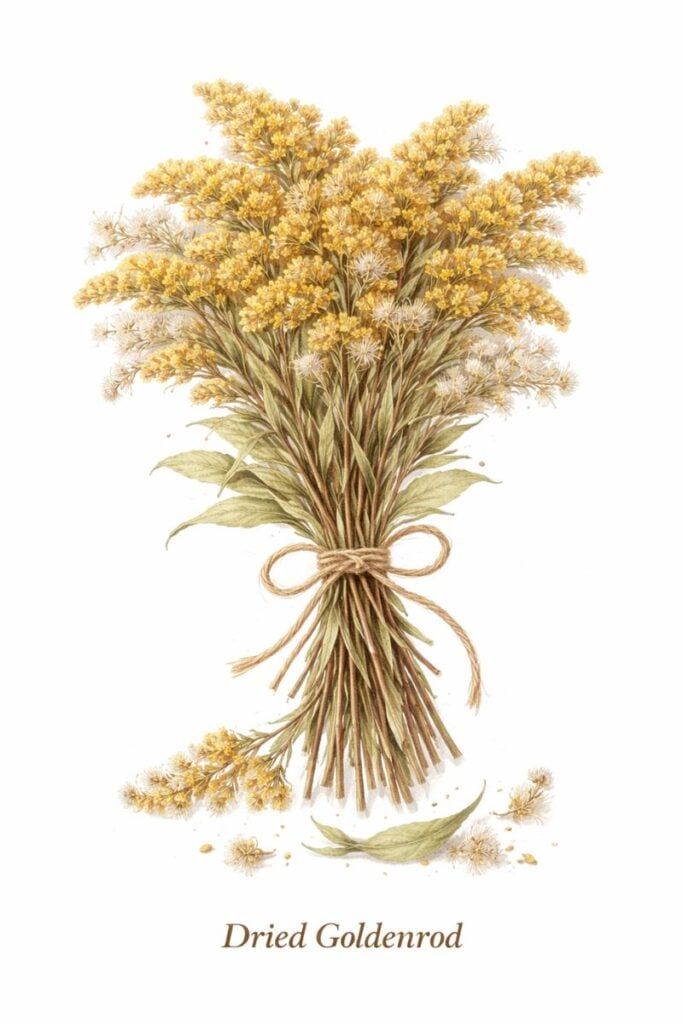
What can I Use Dried Goldenrod Good For?
- Tea
- Tinctures
- Herbal blends
- Salves
- Decorative dried flowers
Does it Make Good Dried Flowers?
Yes. Goldenrod holds its color well when dried and adds beautiful texture to arrangements.
How to Dry at Home
- Harvest during peak bloom
- Bundle small bunches
- Hang upside down in a dry, dark space
- Allow 1–2 weeks to dry
- Store in airtight container
Where to Buy Dried Goldenrod
Look for:
- Reputable herbal suppliers
- Organic sources
- Sustainably harvested material
Seeds & Plant Care
Seeds
This plant produces fluffy seed heads in fall. It self-seeds easily.
Plant Care
- Full sun
- Tolerates poor soil
- Drought tolerant
- Minimal fertilization needed
Goldenrod is incredibly low-maintenance once established.
Goldenrod is one of the most misunderstood wildflowers in North America. It is not ragweed. It is not the primary cause of allergies. And it is far more beneficial than many realize.
From pollinator support to medicinal teas, goldenrod deserves a place in herbal gardens and homesteads alike.
This golden wildflower offers beauty, resilience, and herbal value all in one radiant plant.
Medical & Herbal Use Disclaimer
The content provided in this article is for informational and educational purposes only and is not intended as medical advice, diagnosis, treatment, or a substitute for professional healthcare services.
Any information shared regarding goldenrod (genus Solidago), including but not limited to its identification, preparation, traditional uses, medicinal properties, tea benefits, tinctures, or topical applications, is based on historical, traditional, and herbal reference sources. These statements have not been evaluated by the U.S. Food and Drug Administration (FDA). Goldenrod products are not intended to diagnose, treat, cure, or prevent any disease.
Always consult a licensed physician or qualified healthcare professional before using herbal remedies, especially if you:
- Are pregnant or breastfeeding
- Have kidney, heart, or chronic medical conditions
- Are taking prescription or over-the-counter medications
- Have known allergies to plants in the Asteraceae family
- Are considering use for a child
Goldenrod may have diuretic or biologically active effects and may interact with certain medications or health conditions.
Wildcrafting Notice:
Proper plant identification is solely the responsibility of the reader. Misidentification of wild plants can result in serious harm or adverse reactions. The author and publisher assume no responsibility for errors in plant identification, misuse of herbal preparations, allergic reactions, or adverse outcomes resulting from the application of information contained in this article.
By reading this content, you acknowledge and agree that you assume full responsibility for your health decisions and use of any herbal remedies discussed.