What Should Sourdough Starter Smell Like? (Guide)
If you’ve ever opened your jar and thought, “Wait… is my sourdough supposed to smell like this?” , you’re not alone. One of the most common questions people ask on their sourdough journey is: what should sourdough starter smell like?
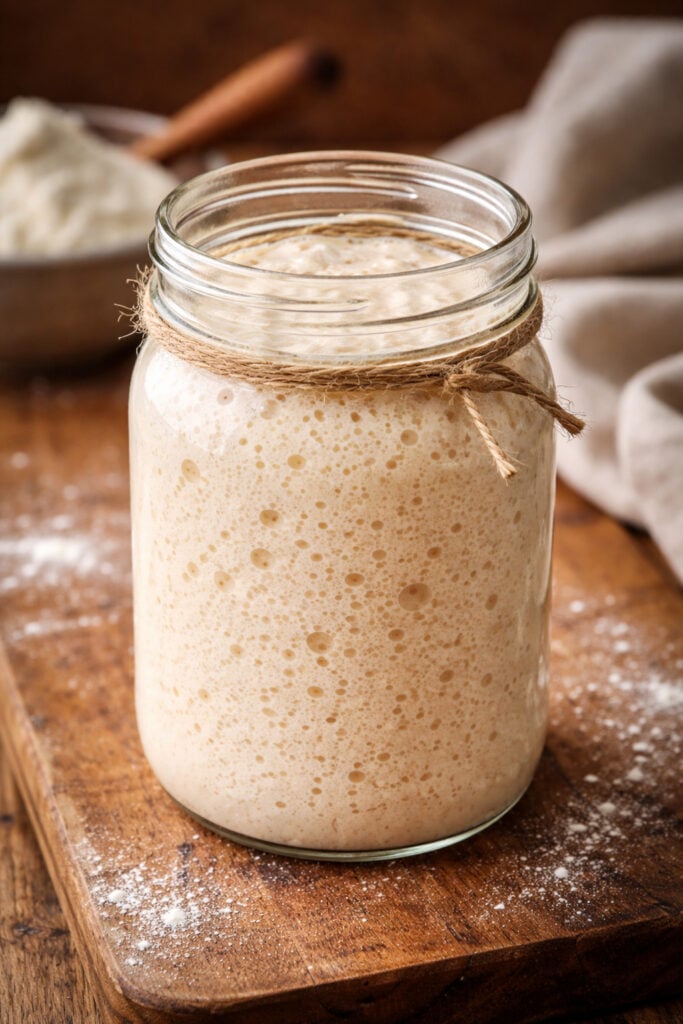
Your starter’s scent can tell you a lot about what’s happening inside that little jar. The smell changes as the fermentation process develops, and sometimes the aroma can even be surprising. A healthy sourdough starter smell is often pleasantly tangy, slightly yeasty, and even a little fruity.
But occasionally, a starter can develop unpleasant smells that leave you wondering if something went wrong.
In this blog post, we’ll walk through what sourdough starter smells are normal, what smells are red flags, and how to fix issues so your homemade sourdough starter stays strong and ready to bake a beautiful loaf of bread.
This post may contain affiliate links. As an Amazon Associate I earn from qualifying purchases.
The Tiny Ecosystem Inside Your Sourdough Starter
Before we talk about smell, it helps to understand what’s happening inside that little jar of starter sitting on your counter.
A sourdough starter is a tiny ecosystem made up of wild yeast and beneficial bacteria. These microbes work together in a complicated system of yeasts and bacteria that transform flour and water into a living culture.
The main players include:
- Wild yeast, which creates bubbles of carbon dioxide
- Good bacteria, especially lactic acid bacteria
- A balanced mix of lactic acid bacteria and yeast
These microorganisms feed on the available sugars found in flour during sourdough starter fermentation. As they digest the sugars, they produce byproducts like acetic acid, lactic acid, alcohol, and carbon dioxide.
Those byproducts are exactly what create the distinctive aroma and flavor that eventually gives sourdough bread its famous tang.
When your starter is healthy, there is a natural balance of yeast and bacteria working together.
What a Healthy Sourdough Starter Smell Should Be
So what exactly should sourdough starter smell like?
A healthy starter typically has a pleasant smell that falls somewhere between:
- Mildly tangy
- Slightly yeasty
- Lightly acidic
- Occasionally fruity
Many people describe the aroma of a sourdough starter as similar to:
- Yogurt
- Sour milk
- Fresh bread dough
- Mild vinegar
- Fermented fruit
The yeasty smell comes from the activity of wild yeast, while the sour smell develops from acids produced during the fermentation process.
A mature starter often has tangy aromas and a tangy scent that become stronger the longer it ferments between feedings.
When everything is balanced, the smell is strong but not offensive. In fact, experienced bakers often say the scent becomes one of the instantly identifiable smells in their kitchen.
And when you bake with it, that culture produces the wonderful aroma of sourdough bread filling your home.
That’s the goal!
Why Sourdough Starter Smells Change
Your starter’s smell will naturally change depending on several factors.
These include:
- The age of your starter
- The flour you use
- Temperature
- Feeding schedule
- The changing balance of bacteria
A brand-new starter often smells very different from mature sourdough starters.
In the Early Stages
In the early stages, the starter hasn’t developed its ideal microbial balance yet.
During these early days, it’s common to notice smells like:
- Cheese
- Yogurt
- Sour milk
- Even slightly funky aromas
This happens because different bacteria appear before the good bacteria and wild yeast stabilize the culture.
These smells are usually a common occurrence and part of the normal sourdough journey.
The Best Flour Choices for a Healthy Starter
Flour plays a big role in your starter’s smell and overall health.
Different types of flour feed the microbes differently, influencing everything from the aroma of a sourdough starter to how quickly your culture becomes active. Since your starter is a tiny ecosystem of wild yeast and bacteria, the type of flour you use directly affects that delicate balance.
Common Flour Options
- Bread flour
- All purpose flour
- AP flour
- Whole wheat flour
- Whole grain flour
- Rye flour
Many bakers start with all purpose flour or AP flour because it’s easy to find and affordable. However, switching to whole wheat flour or rye flour during the early stages can significantly speed up sourdough starter fermentation.
That’s because whole grain flour contains more nutrients, minerals, and natural microorganisms that help support the complicated system of yeasts and encourage a strong, active culture.
What About Fresh Milled Flour?
If you really want to take your starter to the next level, fresh milled flour is a game changer.
Fresh milled whole grain flour, ground at home from wheat berries, contains:
- Higher nutrient content
- More active enzymes
- A richer population of wild yeast
- Better support for a balanced mix of lactic acid bacteria
Because the grain hasn’t been sitting on a shelf for a long time, it still has all the natural oils and nutrients intact. This can lead to:
- Faster fermentation in the early days
- A more active and bubbly starter
- A deeper, more complex aroma (often with richer tangy aromas and fruity notes)
Many sourdough bakers notice that starters fed with fresh milled flour develop a stronger, more resilient culture active much quicker than those using store-bought flour.
Best Way to Use Fresh Milled Flour
You don’t have to go all in right away.
A simple approach:
- Use fresh milled whole wheat flour or whole grain flour during the beginning stages
- Then transition to bread flour or AP flour for maintenance
- Or continue feeding a mix for a more flavorful starter
Even adding just a little bit of fresh milled flour to your regular feedings can improve the overall health, smell, and activity of your starter.
Once established, your starter can thrive on bread flour, all purpose flour, or a mixture—but giving it a strong start with whole grain flour, rye flour, or fresh milled flour can make a noticeable difference.
If your sourdough starter smells a little off or seems sluggish, sometimes the simplest fix is just switching up your flour.
It’s one of the easiest ways to support a healthy starter, improve the sourdough starter smell like you expect, and stay on the right track in your sourdough journey.
Normal Sourdough Starter Smells (Good Signs)
Here are some common sourdough smells that are actually normal signs of fermentation.
Tangy or Sour
A gentle sour smell or mild sourness is a great sign.
It means acids like acetic acid are developing, which create flavor and help protect the starter from unwanted bacteria.
Fruity Aromas
Some starters produce fruity aromas or even a mild apple-like scent.
This happens when yeast produces certain alcohols during fermentation.
Alcohol Aroma
Sometimes your starter may develop a light alcohol aroma.
You may even see a liquid layer of alcohol called hooch forming on top.
This simply means your hungry microbes have run out of food and need their next feeding.
Strange But Still Normal Smells
Sometimes starters produce odd but harmless scents.
These can include:
- Cheesy smell
- Slightly funky fermentation notes
While these may seem strange, they’re usually just part of the complex interactions happening inside your starter.
As long as the smell isn’t overwhelmingly foul, it’s usually nothing to worry about.
Sourdough Starter Smells That Are Red Flags
While many smells are normal, some unpleasant odors can indicate problems.
These are potential red flags that your starter may need help.
Rotten Eggs
A strong rotten eggs smell can indicate unwanted bacterial activity.
This is one of the truly unpleasant odor signals that something is off.
Strong Rotting Smells
If your starter smells like:
- Rotten odors
- Garbage
- Decaying food
That may indicate contamination or bad guys taking over.
Strong Vinegar Smell
A sharp strong vinegar or pungent vinegar-like odor may mean the starter is extremely hungry.
The smell of vinegar occurs when acids accumulate because the microbes ran out of food.
This is usually fixable with regular feedings.
Nail Polish Remover or Acetone
A nail polish remover smell is one of the most common concerns.
This acetone aroma or acetone odor happens when yeast produces excess alcohol while starving.
An acetone-like smell doesn’t necessarily mean the starter is ruined, it usually just means it needs food.
What Your Starter Smell Means
If you’re wondering what your sourdough starter smell means, here’s a quick guide.
| Smell | Meaning |
|---|---|
| Mild sour | Healthy fermentation |
| Fruity | Active yeast |
| Alcohol | Hungry starter |
| Vinegar | Needs feeding |
| Nail polish remover | Very hungry starter |
| Rotten eggs | Possible contamination |
Understanding these scents helps you quickly recognize when you’re on the right track.
How to Fix a Bad Smell
If your starter develops a bad smell, the good news is that most problems have simple fixes.
Feed It More Often
One of the easiest solutions is more frequent regular feedings.
Discard some starter and feed with fresh flour and water.
Use Fresh Flour
Try switching to:
- Whole wheat flour
- Rye flour
- Bread flour
These flours help strengthen microbial activity.
Keep a Consistent Feeding Ratio
Many bakers use a feeding ratio like:
- 50 grams of starter
- 50 g g flour
- 50 g water
This helps keep the culture active and balanced.
Discard Neglected Starter
If your starter shows symptoms of a severely neglected sourdough starter, you may need to discard most of it, keep a tablespoon of it and rebuild with fresh flour.
Why Regular Feedings Matter
Your starter contains hungry microbes that need consistent food.
Without regular feedings, the microbes run out of sugars and begin producing harsh byproducts.
These include:
- Alcohol
- Strong acids
- Harsh aromas
Consistent feeding keeps the acidity of the starter balanced and prevents unpleasant smells.
The Smell Test Before Baking
Before baking a loaf of bread, always do a quick smell test.
A good baking starter should have:
- A pleasant tangy scent
- Slight yeasty smell
- Mild acidic notes
When you smell that distinctive aroma, it usually means your starter is ready to create a flavorful starter for baking.
How Long It Takes for Smell to Stabilize
Many beginners panic when their starter smells strange.
But remember: the microbial community needs time to develop.
During the first week or two, your brand-new starter will go through multiple stages.
It can take a long time, sometimes 2–4 weeks, before the smell becomes stable.
Stick with it, keep feeding regularly, and watch the breakdown of the key processes unfold.
Shop this Post ♡
If you’re starting your sourdough journey or want to improve your results, these are my favorite tried-and-true tools for maintaining a healthy, bubbly starter and baking the perfect loaf of bread.
This post may contain affiliate links. As an Amazon Associate I earn from qualifying purchases.
Sourdough Starter Essentials
- Glass Mason Jars (Wide Mouth)
Perfect for your little jar of starter—easy to clean and gives you a clear view of those bubbles of carbon dioxide. - Digital Kitchen Scale
Measuring grams of starter, flour, and water ensures consistent results and a strong starter every time. - I like these for mixing my starter
Gentle on your jar and perfect for mixing during regular feedings.
Flour Options for a Healthy Starter
- Bread Flour
Helps build a strong, active starter with great structure. - Whole Wheat Flour
Adds nutrients and boosts fermentation—great during the early stages. - Rye Flour
A powerhouse for sourdough starter fermentation and encouraging wild yeast activity. - All-Purpose (AP) Flour
A budget-friendly option that works well for maintaining a mature sourdough starter. - Fresh Milled Flour
Baking Tools for the Perfect Loaf
- Dutch Oven
Creates that beautiful crust and helps trap steam for the finished product. - Banneton Proofing Basket
Supports your dough during the final rise and gives that classic artisan look. - Parchment Paper Sheets
Helps transfer dough safely into a hot Dutch oven. - My Favorite Grain Mill
Optional (But Helpful!)
- Starter Jar Bands or Markers
Track growth after each feeding, super helpful for beginners.
Final Thoughts on Sourdough Starter Smells…
Learning what sourdough starter smell like is an important skill for every home baker.
Those scents tell the story of the invisible microbes working inside your jar.
Most sourdough starter smells are simply signs of the natural fermentation process happening as wild yeast and bacteria transform flour into something incredible.
A healthy sourdough starter smell should be pleasantly tangy, slightly yeasty, and just acidic enough to tell you fermentation is happening.
If your starter ever smells like nail polish remover, dirty socks 😉 , or even strong vinegar, don’t panic. In many cases, those are just signs your starter needs its next feeding.
Only extremely foul odors like rotten eggs or severe rotten odors should raise true red flags.
With patience, regular feedings, and the right flour, your starter will develop into a strong starter capable of baking incredible bread.
And once you experience that aroma of sourdough bread fresh from the oven, you’ll know every step of the sourdough journey was worth it.